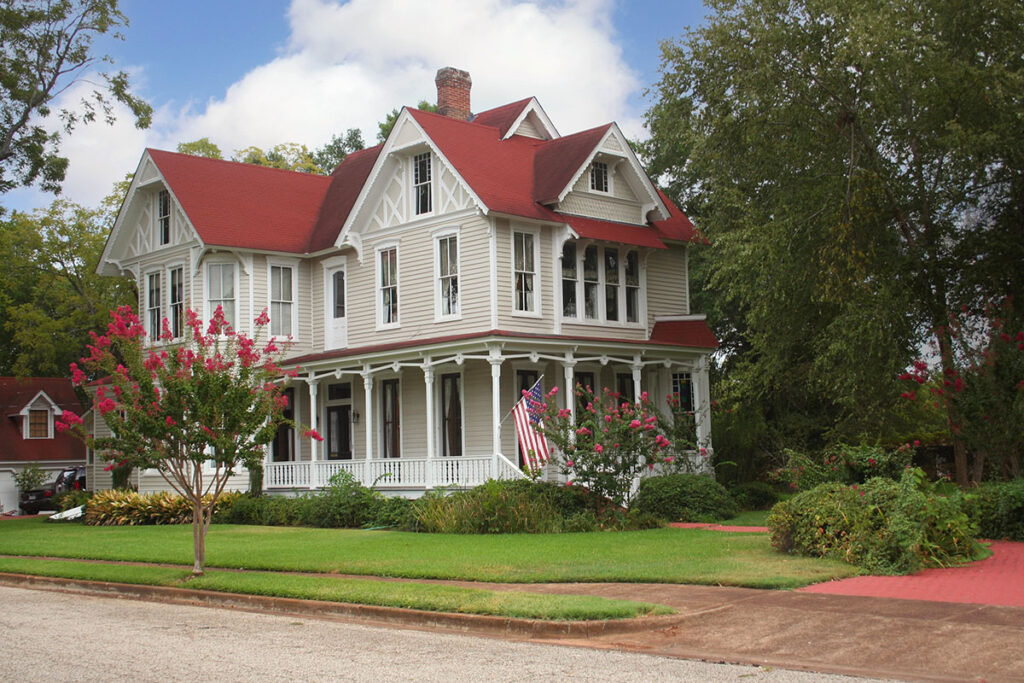
Lockhart sits 30 miles south of Austin, close enough to stay tied to the Central Texas economy but far enough to feel like a real break from big-city pace. People know it for the courthouse square, the barbecue, and the small-town character. For buyers, though, the bigger draw is the housing stock: late 19th and early 20th century Victorian homes, classic Craftsman bungalows, and Greek Revival properties that stand out from a typical suburban subdivision.
A historic property can give you the kind of architectural detail, mature shade trees, and lived-in character that newer suburban subdivisions rarely match. It can also come with older systems and trickier upkeep, from specialized structural systems like pier-and-beam foundations to aging plumbing, original windows, and rules on what you can change. Knowing what to look for during showings, inspections, and the option period helps keep the purchase a source of pride instead of an expensive surprise.
Table of Contents
Understanding Lockhart’s Historic Districts and Local Regulations
Before a wrap-around porch or original stained glass sells you on a house, get clear on how historic properties are governed in Lockhart. The city takes its architectural heritage seriously and has formal policies in place to protect it.
Local vs. National Historic Designation
It helps to separate a home listed on the National Register of Historic Places from one designated locally by the City of Lockhart. For residential properties, National Register status is mostly honorary. It usually does not restrict what an owner can do with private funds, although it may make a property eligible for certain tax incentives.
Local historic zoning is the part that can directly affect modifications. If a property sits in one of Lockhart’s designated local historic districts, or if it has been individually designated as a local landmark, changes to it are subject to design oversight by the Lockhart Historical Commission.
Certificates of Alteration
If you plan to modify the exterior of a locally designated historic home, you will likely need a Certificate of Alteration from the city before work begins. That review generally applies to exterior changes visible from public rights of way, including:
- Replacing original wood windows or exterior doors
- Changing exterior paint colors or siding materials
- Modifying rooflines, porches, or chimney structures
- Adding garage structures, carports, or significant exterior additions
Interior updates, such as modernizing kitchens or bathrooms, usually do not require Historical Commission approval as long as they do not alter structural exterior components. Even so, verify the property’s zoning and any overlay restrictions during your option period, not after closing.
Critical Inspection Priorities for Historic Central Texas Homes
A standard home inspection belongs in any purchase, but a historic house needs a more specialized look. In Central Texas, weather swings, reactive expansive clay soils, and aging building materials tend to create the same trouble spots again and again, so buyers need to inspect those areas closely before closing.
1. Foundation Stability and Pier-and-Beam Systems
Most historic homes in Lockhart sit on pier-and-beam foundations built with cedar posts, stacked brick, or concrete piers. Compared with concrete slabs, pier-and-beam systems are usually easier to adjust and repair. The tradeoff is Caldwell County’s expansive clay soils, which can move enough to stress those supports over time.
In wet seasons, clay soil can expand enough to push foundation piers upward. In hot, dry summer months, that same soil contracts and lets piers settle. A qualified inspector should crawl beneath the home and check for:
- Rotted cedar posts or masonry piers that are cracking, shifting, or breaking down
- Sagging floor joists or main support beams that are split, shifted, or otherwise compromised
- Adequate crawlspace ventilation to prevent moisture buildup and the wood decay that follows
- Perimeter drainage that carries water away from the piers instead of letting it collect around them
2. Electrical Systems and Modern Capacity
Homes built before the 1950s often still have parts of their original electrical infrastructure. That can include knob-and-tube wiring, ungrounded two-prong outlets, and early cloth-insulated copper wiring. All of it was standard in its day, but it’s not adequate for modern household power needs.
Outdated electrical systems create two practical problems. The first is safety: wiring from an earlier era can become a fire hazard when it is overloaded by modern appliances and HVAC systems. The second is insurance: carriers often refuse to write policies for homes with active knob-and-tube wiring or ungrounded systems. When you buy historic real estate, it’s smart to budget for a full electrical upgrade, a service panel expansion, or both.
3. Plumbing Pipelines and Sewer Lines
Historic homes in Lockhart have usually been updated in pieces over the decades, not all at once. It’s common to find a mix of original galvanized iron supply lines, cast iron drain pipes, and newer PVC replacement sections beneath the same roof. That patchwork matters because each material ages and fails in a different way.
- Galvanized Steel Pipes: These pipes corrode internally over time. The buildup can severely reduce water pressure and leave rust particles in the water supply.
- Cast Iron Sewer Lines: Older cast iron drain pipes beneath the home can rust through, crack, or pick up root intrusion from mature oak trees. Once roots find a joint or small opening, backups are often not far behind.
A video sewer scope inspection during the option period is money well spent. Running a camera through the main sewer lateral out to the city connection can uncover costly blockages, root intrusion, low spots, or collapsed lines before closing, when there is still time to negotiate repairs or credits.
4. Roof Integrity and Building Envelope
Many historic roof frames in Central Texas were built for older roof assemblies such as wood shingles, slate, or standing seam metal. After decades of re-roofing, it is common to find multiple layers of asphalt shingles added on top, which puts extra dead load on already-aged framing and can hide soft decking or old skip-sheathing problems.
An inspector should get into the interior attic space, not just peek through the hatch. Look for signs of past leaks, daylight filtering through the roof decking, sagging along rafters or the ridge, and patched framing around chimneys or vents. On the exterior, original wood siding deserves the same level of care: check for termites or other wood-boring insects, paint failure, and rot at butt joints, window trim, and lower courses where improper gutter drainage keeps the wall wet.
5. Environmental Factors: Lead Paint and Asbestos
Homes built before 1978 are more likely to have lead-based paint, and houses built before the 1980s can still hide asbestos in floor tiles, duct insulation, or exterior siding. EPA guidance treats both as manageable when they remain undisturbed and encapsulated; the risk usually starts when a renovation sands, cuts, drills, or removes them. If future renovation plans are part of the deal, budget for testing, certified containment, and abatement costs up front, especially when a paid contractor will disturb pre-1978 painted surfaces.
Financial Considerations and Insurance Requirements
In Lockhart, the real budget for a historic home goes beyond the purchase price and property taxes. Vintage properties come with a different set of financial variables, and buyers should price them in before the inspection period ends:
- Homeowners insurance on historic homes often runs higher because the carrier is pricing replacement cost valuations, not just market value. The real question is what it would take to rebuild with similar craftsmanship and custom wood materials rather than modern builder grade products. On older houses, policy details such as ordinance-or-law coverage and extended replacement-cost language are worth reading closely.
- Uninsulated lath-and-plaster walls, single-pane wood windows, and high ceilings can push heating and cooling costs up fast during peak Texas summer heat. Even a well-kept house can leak conditioned air through attic bypasses, old sash gaps, and other unsealed penetrations. Ask for 12 months of utility bills; that tells you more than a seller’s guess.
- Restoring original architectural features usually means hiring skilled tradespeople who know historic preservation, not just standard residential contractors. A crew that can reglaze old sash, splice rotted wood in place, match old plaster, or mill missing trim will often charge higher rates than a basic remodel crew. As a simple example, 80 hours of specialty finish work at $85 an hour is $6,800 before materials.
FAQs
Can I replace original single-pane wood windows with modern vinyl windows?
If the house sits in a local historic district or has been designated as a local landmark, do not assume a vinyl window swap will be allowed. As of August 2026, the City of Lockhart still requires a Certificate for Alteration for visible changes, and its pre-approved window form points owners toward painted wood single or 2-over-2 divided-light replacements sized to the original openings. In practice, the Historical Commission usually favors restoring the original wood windows, pairing them with storm windows, or considering wood-clad replacement windows that keep the historic profiles.
Are pier-and-beam foundations expensive to repair?
Pier-and-beam repairs are usually more straightforward and less invasive than concrete slab repairs because the crew can work from the crawlspace instead of cutting into finished surfaces. As a rough planning range, re-leveling a pier-and-beam home typically costs between $3,000 and $8,000 depending on scope. Once the job expands into major rotted sills or joists, overall costs climb quickly.
Do historic homes in Lockhart qualify for property tax incentives?
Properties designated as historic landmarks may qualify for local property tax exemptions or, in the right case, state preservation tax credits, but the eligibility rules are narrower than many buyers expect. In Lockhart, there is a Historic Preservation Tax Abatement Application, and approval turns on the designation, the approved restoration expenditures, and the current city or county tax incentives in place at the time. As of August 2026, the Texas Historical Commission describes the 25 percent state credit as a program for historic income-producing or nonprofit buildings, so confirm the current fit for your property with the Caldwell County Appraisal District before you count on active programs or savings.
Will I be able to install modern central air conditioning?
Yes. Modern HVAC systems can be retrofitted into historic homes. High-velocity duct systems, and ductless mini-split units, are common choices because they require minimal disruption to original plaster walls and historic ceilings. The installation still needs careful planning so line sets, returns, and condensate drains do not tear up historic fabric.
How do I know if a Lockhart home is in a historic district?
You can verify district boundaries on the City of Lockhart Development Services maps page by checking the Official Zoning Map and the Historic Landmarks Zoning Map, then confirming the address with the Historical Preservation staff if anything looks unclear. A knowledgeable local real estate agent who works with historic properties can also tell you early whether a home sits in or near the Courthouse Square Historic District, which matters before you start planning changes.
Partner with Lockhart’s Home Experts
Buying a historic home in Lockhart gives you a real piece of Central Texas history, but it asks more of a buyer than a standard resale. Do the usual due diligence, then go deeper with inspectors who know older Central Texas houses and can spot pier-and-beam movement, drainage problems, roof wear, aging plumbing, old electrical work, and termite damage, and ask early whether exterior changes could require a certificate for alteration under the city’s historic rules. That extra work protects your investment and helps keep classic Texas architecture standing for generations to come.
If you’re considering buying or selling a historic property in Lockhart or elsewhere in Caldwell County, our team at Lone Star Realty can guide you through every step of the transaction. We help clients line up the right inspections, review the City of Lockhart’s Official Zoning Map and Historic Landmarks Zoning Map, and work through repair requests and timing before closing. Reach out to our local realtors today to start your home search with more confidence and fewer surprises.