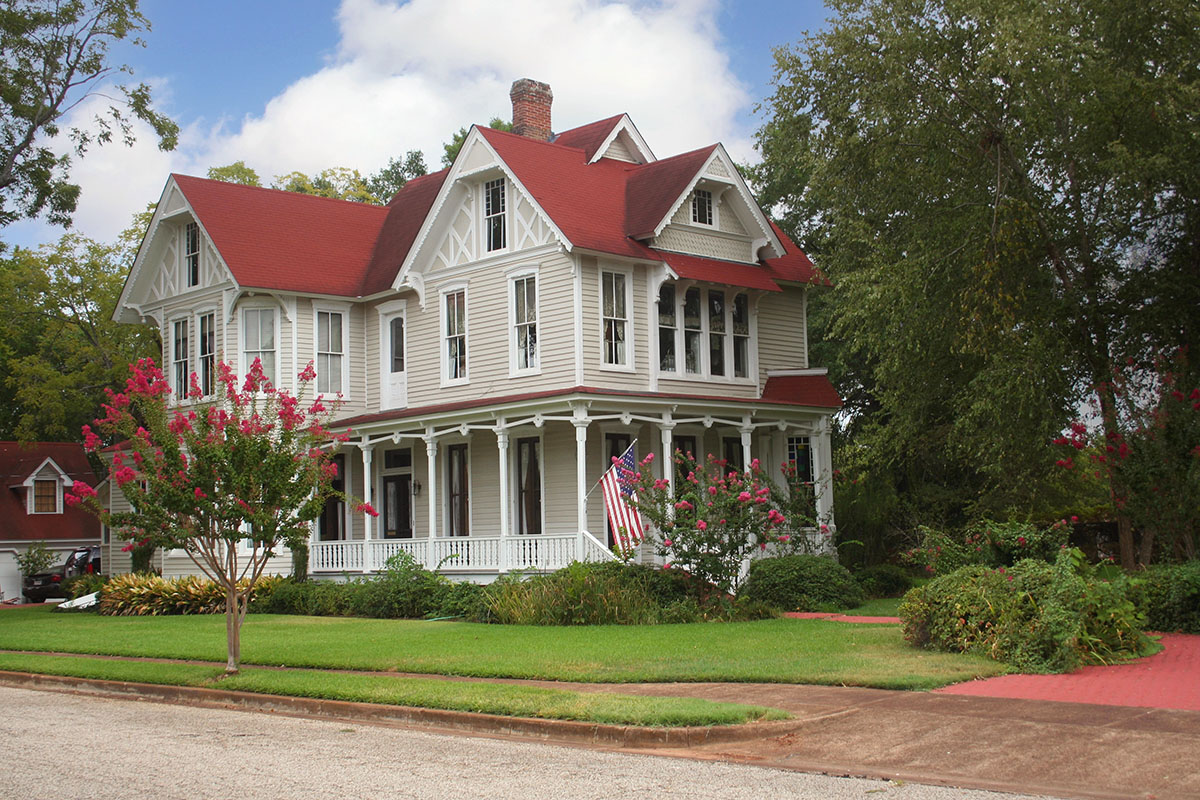
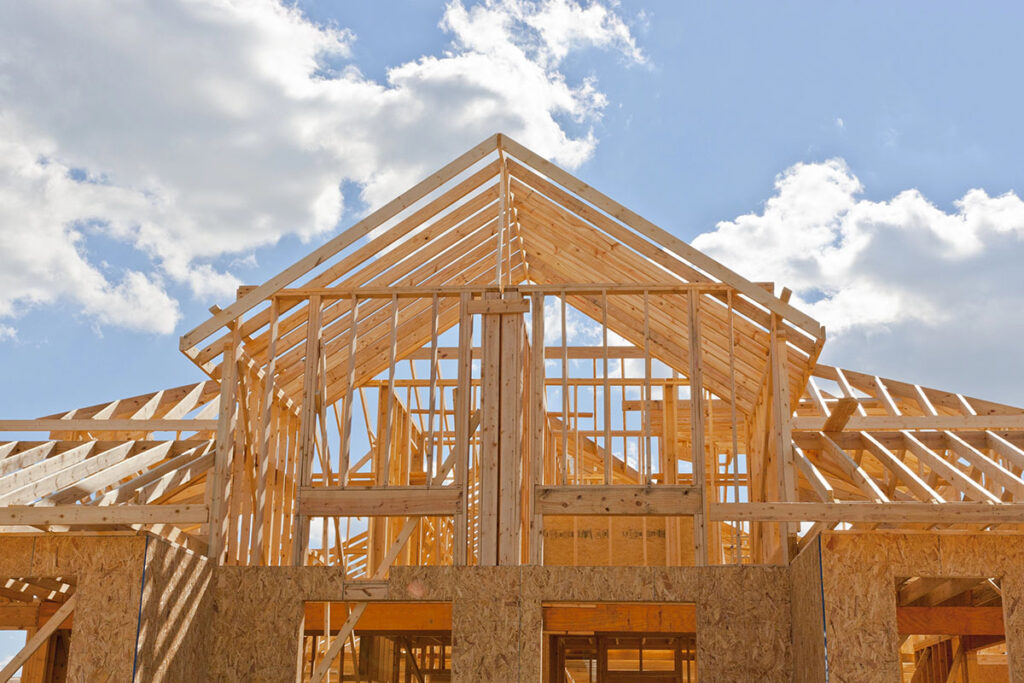
Deciding between buying an existing house or building a new home across rural Central Texas comes down to realistic timelines, immediate costs, and infrastructure planning. The region around Austin, Temple, Waco, and the surrounding hill country presents distinct real estate conditions. Population growth and changing inventory levels impact available land and established housing stock. Buyers face a clear trade-off between immediate occupancy and custom long-term planning.
Every rural transaction presents specific operational hurdles. Property boundary lines, utility access, and regional zoning rules dictate the long-term cost of living outside major municipal boundaries. Examining the practical steps involved in both purchasing routes helps establish a clear path forward for land and home ownership in Central Texas.
Table of Contents
The Reality of Buying Existing Homes in Rural Central Texas
Purchasing an existing property offers the distinct advantage of immediate move-in and known site conditions. Established properties feature built-in infrastructure, including working septic systems, existing water wells or municipal connections, and established driveway access. These existing features eliminate the setup timeline associated with raw acreage.
| Operational Metric | Existing Rural Home | New Rural Construction |
| Move-in Timeline | 30–45 Days | 8–18 Months |
| Infrastructure | Fully Installed (Well, Septic, Power) | Requires Permitting & Installation |
| Upfront Costs | Fixed Purchase Price + Closing Costs | Land + Site Prep + Construction Loan |
| Risk Profile | Physical Wear, Older Systems | Cost Overruns, Weather Delays |
Rural inventory in Central Texas presents unique inspection requirements. Older homes often include original septic tanks, outdated electrical panels, or aging well pumps that demand near-term maintenance. Foundation performance is another major factor, as native clay soils shrink and swell with changing weather conditions.
Financing an existing home relies on standard residential mortgage programs like conventional, FHA, or USDA loans. USDA loans remain particularly useful in designated rural counties, providing zero-down options for qualified buyers. Closings generally take 30 to 45 days, allowing buyers to secure immediate housing without managing multi-stage construction loans.
The Operational Mechanics of Building a New Rural Home
Building on raw acreage grants total control over home placement, floor plans, and modern efficiency standards. Turning raw dirt into a residential site requires significant coordination before framing ever begins. The physical construction phase represents only part of the overall timeline and budget.
Site preparation involves several preliminary tasks:
- Soil testing and engineering studies to determine foundation requirements
- Land clearing, grading, and building pad creation
- Well drilling or paying municipal water meter tap fees
- Septic system design and county health department permitting
- Extending overhead or underground electrical service lines from nearby poles
Utility connections often present unexpected budget shifts. Drilling a water well in Central Texas can range from 200 feet to over 600 feet deep depending on the exact underground aquifer formations. Costs vary significantly per linear foot drilled. Similarly, extending power lines across large parcels requires right-of-way clearing and transformer installations that add up quickly.
Timeline Comparisons: Immediate Need vs. Long-Term Vision
Time is often the deciding factor for rural buyers. Purchasing an existing structure allows buyers to complete inspections, secure financing, and take ownership within six weeks. This route works best for individuals relocating for employment or those needing to settle before a specific academic term begins.
Building a home in rural Texas requires an extended commitment. The process typically breaks down into distinct phases:
- Land acquisition and boundary surveying: 30 to 60 days
- Architectural design and engineering plans: 60 to 90 days
- Local permitting and utility site development: 60 to 120 days
- Physical construction and final inspections: 8 to 12 months
Total project timelines frequently stretch from 12 to 18 months. Uncontrollable factors like supply shortages, regional labor availability, and seasonal weather patterns create variable schedules. Heavy spring rains can halt ground site prep for weeks in rural areas where access roads remain unpaved.
Financial Structures and Loan Types
The financial setup for buying an existing home differs fundamentally from ground-up construction. Buying an existing home involves a single loan transaction with fixed closing costs, structured down payments, and clear interest rates. The total capital requirement is clear from the day the purchase contract is executed.
Ground-up construction uses a two-phase financing model. Buyers first secure a short-term construction loan to cover land acquisition, site preparation, and building costs. Construction loans require monthly interest-only payments based on the funds disbursed at each stage of the build. Once construction receives a final certificate of occupancy, the construction loan converts into a permanent 15-year or 30-year traditional mortgage.
Construction loans demand larger down payments, typically starting at 20 percent of the total projected value. Lenders also review builder credentials, requiring approved contractors to carry specific liability insurance and proven completion track records.
Local Regulations, Septic, and Water Considerations
Rural property ownership operates outside standard city municipal services. Central Texas counties enforce strict rules regarding septic system design based on lot size and soil composition. Aerobic septic systems, which require ongoing maintenance contracts and electrical power to operate, are common in areas with shallow soil over limestone bedrock.
Water rights and water quality demand equal attention. Properties outside city water districts require private water wells or membership in local supply corporations. Testing existing well water for mineral content, flow rates, and total depth protects buyers from sudden replacement expenses. Properties served by rural water supply corporations may feature long waiting lists or high tap fees for new connections.
Property tax exemptions also play a role in rural real estate decisions. Existing properties on larger acreage may already hold agricultural or wildlife management tax valuations. Buyers purchasing raw land to build must maintain specific land uses to keep these valuations active, which significantly reduces annual property tax obligations.
FAQs
What is the average cost difference between buying and building in rural Texas?
Buying an existing home generally carries a lower initial price per square foot due to included infrastructure like established wells, septic systems, and driveways. Building new requires additional upfront capital for utility extensions, site clearing, and septic permits before home construction begins.
How long does it take to drill a water well in Texas?
Drilling a well takes a few days once the rig arrives, but scheduling, permitting, and water testing add four to eight weeks to the overall project timeline. Depth and cost vary depending on the local aquifer.
Can I live in an RV on my land while building a home?
County regulations and deed restrictions dictate temporary residence rules across Central Texas. Some counties permit temporary RV living during active construction with an approved septic system, while restricted subdivisions forbid it entirely.
What type of septic system is required for new rural builds?
Septic requirements depend on soil depth and absorption tests. Shallow soils over limestone require aerobic treatment systems with surface spray or drip irrigation, whereas deeper soils may permit standard anaerobic gravity-fed drain fields.
Are USDA loans available for both buying and building?
USDA loans apply to eligible existing homes in designated rural areas with zero down payment. USDA construction-to-permanent loans exist, but they require specialized builders and strict lender approval guidelines compared to standard conventional construction loans.
Planning Your Next Move
Choosing between buying an existing home or building a new home in Texas depends on your operational budget, move-in schedule, and comfort with land development. Existing properties offer fast occupancy and predictable costs, while ground-up construction delivers custom layouts designed for long-term utility. Evaluating utility access, soil conditions, and financing models early in the process ensures a practical transaction. Review available rural listings and regional trends with the team at Lone Star Realty to determine the right path forward for your timeline.