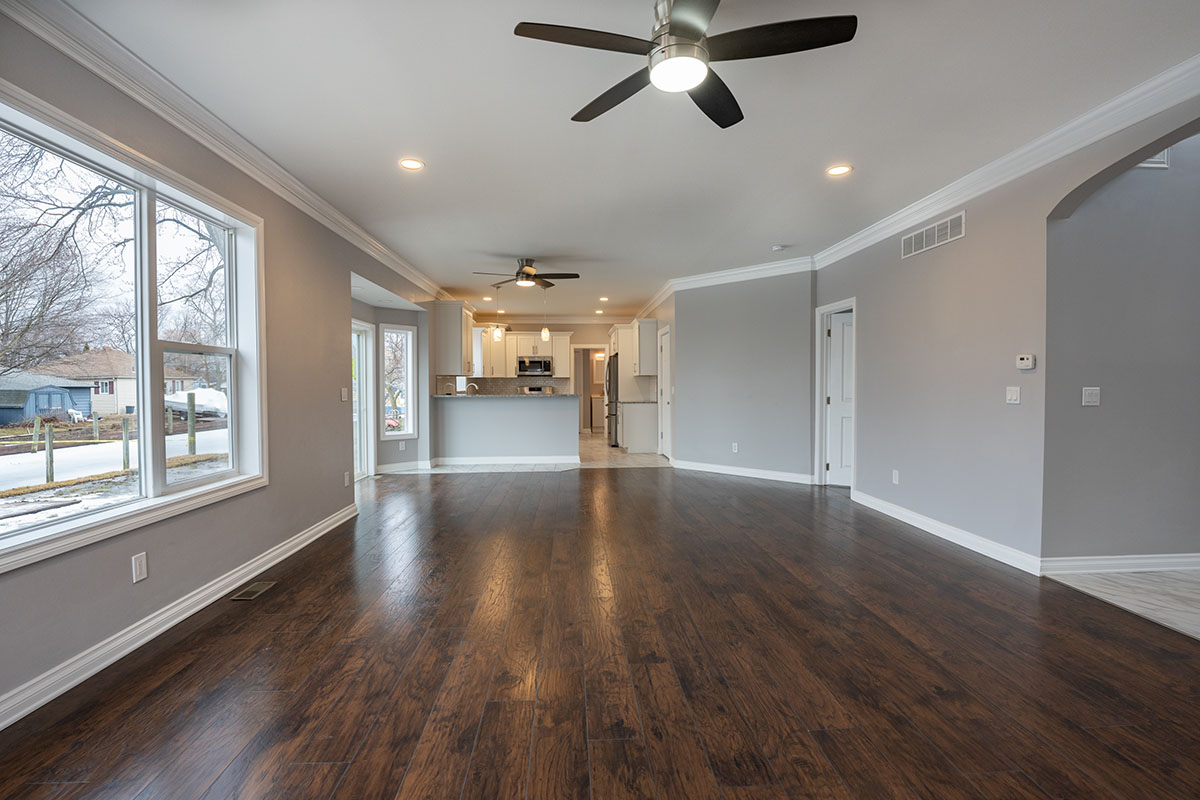

If you own a home in Texas, you know the feeling: that annual property tax appraisal notice shows up, and the questions start. Why did my assessed value jump? Is this number even right? Am I overpaying?
Protesting your appraised value is always an option, but there’s a simpler tool that every Texas homeowner should be using first. The Homestead Exemption is your best defense against a bloated tax bill, and too many people either don’t know about it or haven’t filed.
Here’s what it is, how to claim it, and why it matters more than you might think.
Table of Contents
What Is a Property Tax Assessment?
Each year, your local county appraisal district (CAD) estimates the market value of your property as of January 1st. That’s their best guess at what your home would sell for on the open market.
Your property taxes are calculated from this appraised value. But with a homestead exemption in place, the taxable value (the number your taxes are actually based on) drops well below the market value.
Why the Texas Homestead Exemption Matters
A homestead exemption is a tax break you can claim on your primary residence. It works two ways, and both put money back in your pocket.
1. It lowers your home’s taxable value
The exemption removes a chunk of your home’s value from taxation. In Texas, every homeowner gets a mandatory $100,000 exemption on school district taxes. Many counties and cities offer additional exemptions on top of that.
Example: Say your home is appraised at $400,000. With the $100,000 school tax exemption, the school district only taxes you as if your home were worth $300,000. That’s real savings on the biggest piece of your tax bill.
2. It caps how fast your assessed value can climb
This is the benefit most people overlook. Once your homestead exemption is active, your assessed value can’t increase by more than 10% per year, no matter what the market does.
If home values in your neighborhood spike 25% in a single year, your assessed value for tax purposes can only go up 10%. In a fast-growing market like Central Texas, that cap can save you thousands over time.
How to Qualify and File
The process is simple, and it’s free.
Eligibility:
- You must own the home.
- It must be your primary residence as of January 1st of the tax year you’re applying for. Second homes and investment properties don’t qualify.
How to apply:
- Get the form. Download the “Application for Residence Homestead Exemption” from your county appraisal district’s website (Travis CAD, Williamson CAD, Bell CAD, etc.).
- Fill it out. Enter your information and property details.
- Include proof of residence. Attach a copy of your Texas driver’s license or state-issued ID. The address on your ID must match the property address. This is a sticking point for a lot of people, so make sure it’s updated.
- Mail the completed application and ID copy to your county’s appraisal district. The deadline is April 30th.
FAQs
I just bought my house. When can I apply?
You can apply once you’ve moved in, updated your driver’s license to the new address, and received mail there. You need to own and occupy the home as of January 1st to qualify for that tax year. If you buy on June 10, 2024, you can apply anytime after that, but the exemption kicks in for the 2025 tax year.
Do I have to reapply every year?
No. Once approved, the exemption renews automatically as long as you still own the home and live there. You only need to reapply if you move.
I missed the April 30th deadline. Am I out of luck?
Not at all. Texas law lets homeowners file up to two years after the date the taxes would have become delinquent. You can file late and still receive the savings retroactively.
Are there other exemptions I might qualify for?
Yes. Beyond the general homestead exemption, Texas offers additional exemptions for homeowners over 65, those with disabilities, and disabled veterans. These come with bigger savings and often include a permanent tax ceiling on school district taxes.
Is it free to file?
Yes, 100% free when you file directly with your county appraisal district. Watch out for third-party companies that charge a fee to submit the form for you. It’s a straightforward process you can handle yourself.
How do I know if my Texas property tax assessment is too high?
Look at your appraisal notice and compare your home’s value to recent sales of similar homes nearby. If your assessed value is noticeably higher than comparable properties, you may have grounds to protest.
What is the Texas Homestead Exemption?
The Texas Homestead Exemption reduces the taxable value of your primary residence and caps annual assessment increases for school district taxes, limiting how fast your tax bill can grow year to year.
When should I apply for a homestead exemption in Texas?
Apply as soon as you own and occupy the property as your primary residence. Filing early means you start receiving the tax benefits sooner.
Can I protest my property taxes every year?
Yes. Texas homeowners can protest their appraisal every year if they believe the assessed value is wrong.
Does the homestead exemption transfer when I buy a home?
No. You have to apply for the homestead exemption on each new primary residence. It doesn’t carry over from a previous property.
Your First Step Toward Lower Taxes
Your home’s market value will probably keep climbing with the Central Texas real estate market. The homestead exemption makes sure your tax bill doesn’t climb at the same pace. It’s the single most effective way to manage your property tax costs.
Think of it like setting up utilities or getting homeowner’s insurance: it’s just part of buying a house. Lone Star Realty won’t just help you find the right place; we’ll walk you through steps like this so you’re set up for the long haul. Don’t skip it. The savings are yours to claim.