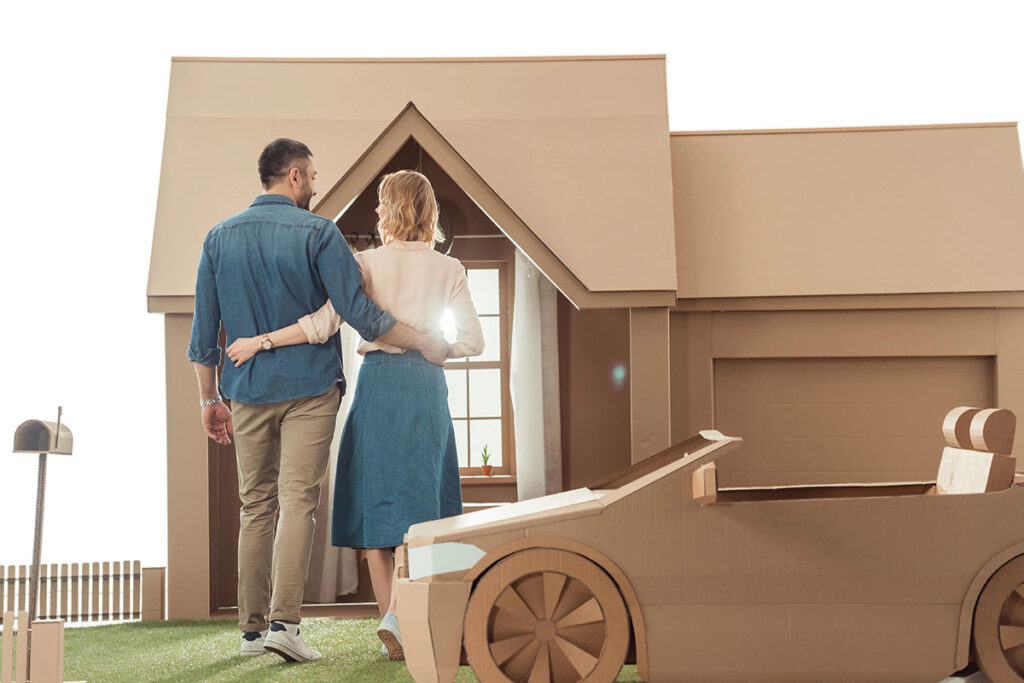
The real estate market offers a compelling choice for nearly every homebuyer: the allure of a brand-new, untouched home in a developing community, or the charm and character of an established property in a mature neighborhood. It’s a decision that pits modern amenities and builder warranties against mature trees and a proven location.
There is no single “right” answer. The best choice depends entirely on your priorities, timeline, and budget. To help you make an informed decision, we’re breaking down the key differences in a head-to-head comparison across the categories that matter most to buyers.
Round 1: The Move-In Timeline
Existing Home: The primary advantage here is speed. Once you have an accepted offer and complete the closing process (typically 30-45 days), the home is yours. You can move in immediately. The trade-off is that in a competitive market, you may be competing with multiple offers, which can draw out the buying process itself.
New Construction: You get a projected completion date, but this is often a moving target. Construction in Texas is subject to weather delays, supply chain disruptions, and labor shortages. A six-month timeline can easily stretch to eight or ten, requiring patience and flexibility. If you need to move by a hard deadline, an existing home is the more predictable option.
Round 2: Cost and Financials
Existing Home: The initial purchase price is often lower per square foot compared to new construction. You have more room for direct price negotiation, and property taxes are based on an established assessment. However, you must budget for potential immediate repairs or system replacements (like an aging HVAC or roof).
New Construction: The “base price” can be deceptive. The beautiful model home you toured is filled with expensive upgrades. The final cost can increase significantly as you add features. While there’s less room to negotiate the base price, you may be able to negotiate on closing costs or upgrade credits. The major financial advantage is the near absence of repair costs for the first several years, backed by builder warranties.
Round 3: Customization and Personal Style
Existing Home: What you see is what you get. You inherit the previous owner’s design choices. This can be a pro if their style aligns with yours, but it often means you’ll need a separate budget for renovations—painting, flooring, or updating kitchens and baths—to make it your own.
New Construction: This is a huge draw for many buyers. You get to select your own finishes from the builder’s options, like countertops, flooring, paint colors, and fixtures. The downside is that you are often limited to the builder’s specific packages and suppliers. True custom changes outside of these options can be prohibitively expensive or simply not allowed.
Round 4: Location and Neighborhood
Existing Home: This is where existing homes often have a distinct advantage. They are located in established neighborhoods with mature landscaping, developed infrastructure, and often closer proximity to downtown areas and major employment centers. You have a clear sense of the neighborhood’s character.
New Construction: New communities are typically built on the outskirts of cities where land is more plentiful. This can mean a longer commute. While these communities often boast modern amenities like resort-style pools and clubhouses, they lack the charm of mature trees and can feel like a “construction zone” for several years as the neighborhood builds out.
Round 5: Maintenance and Energy Efficiency
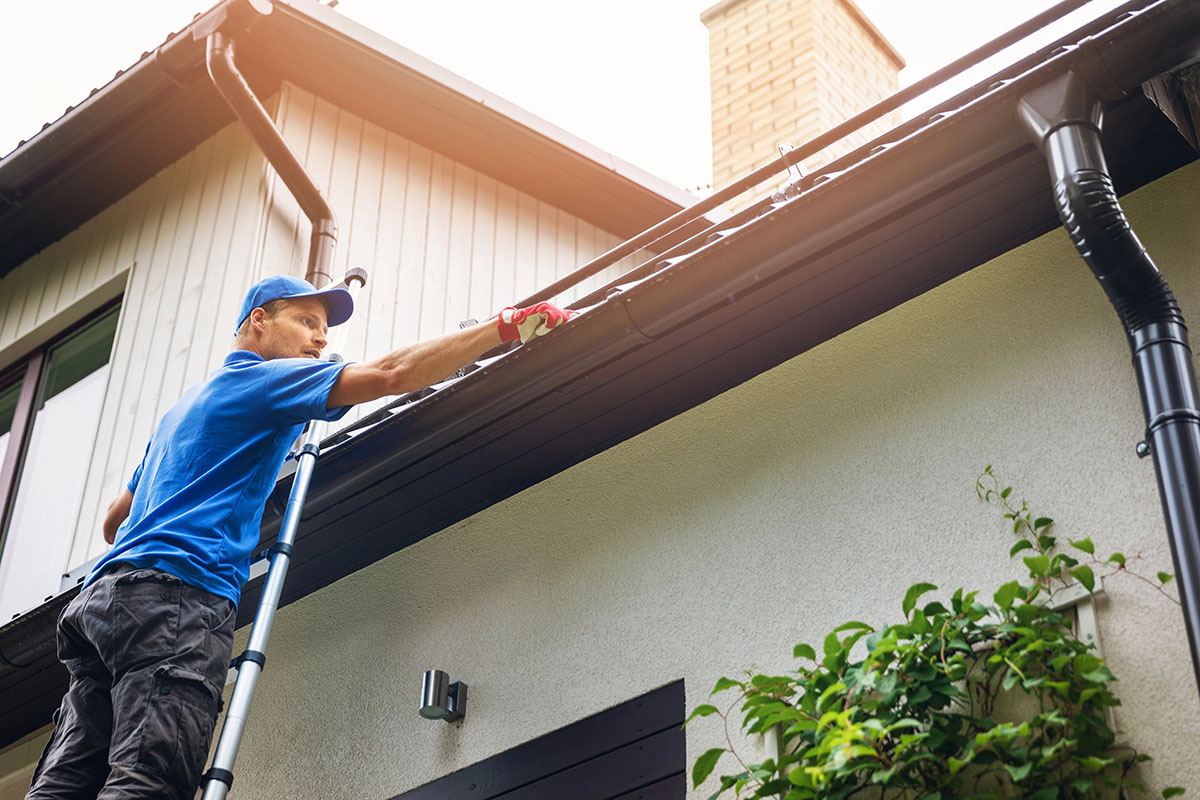
Existing Home: An older home comes with older systems. The HVAC, water heater, and roof have a limited lifespan, and you inherit them at some point in that cycle. Energy efficiency may also be lower due to older windows and insulation standards.
New Construction: Everything is brand new and under warranty. This provides immense peace of mind. New homes are also built to the latest building codes, which means they are significantly more energy-efficient, a major plus in the Texas heat. This translates to lower monthly utility bills.
FAQs
Do I need a real estate agent when buying new construction?
Yes, absolutely. The friendly sales representative in the model home works for the builder, not for you. Their job is to protect the builder’s interests. Your own real estate agent is your advocate, helping you navigate the contract, negotiate on your behalf, and ensure your interests are protected throughout the entire construction process.
Can you negotiate the price of a new construction home?
While the base price of the home is often firm, there is frequently room for negotiation on other items. This can include the builder covering some of your closing costs, offering a credit toward upgrades at the design center, or including appliances like a refrigerator, washer, and dryer.
Do I still need a home inspection for a new build?
Yes, this is critical. A brand-new home can still have defects. It is highly recommended to hire an independent inspector to conduct phased inspections: before the foundation is poured, before the drywall goes up (pre-drywall), and a final comprehensive inspection before you close. This is your best chance to catch issues while they are still easy to fix.
What are the “hidden costs” associated with new construction?
Buyers are often surprised by costs not included in the purchase price. These can include landscaping and sprinkler systems for the backyard, window blinds and treatments, and the cost of installing a refrigerator, washer, and dryer if they weren’t negotiated into the contract.
Are new construction homes more energy-efficient?
New construction is genuinely more efficient due to current building codes requiring better insulation, more efficient HVAC systems, and improved construction techniques. Expect 20-40% lower utility costs compared to homes built 15-20+ years ago. However, the energy savings take years to offset the higher purchase price. Calculate actual monthly savings versus the price premium to determine if efficiency justifies the extra cost for your situation.
How long should I expect the new construction process to take from contract to move-in?
Builders typically quote 4-6 months for construction, but 6-9 months is more realistic when accounting for common delays. Buying a spec home already under construction shortens the timeline to 2-4 months. Custom builds on your lot can take 8-12 months or longer. Always build buffer time into your plans because construction delays are more common than on-time completions.
What are the biggest hidden costs when buying new construction?
Lot premiums for desirable locations within the development, upgrade costs that quickly exceed budgets, HOA fees that are often higher in new communities, landscaping costs for barren yards, and window treatments for large windows throughout. Budget an additional 10-20% beyond the base price for these commonly overlooked expenses. Builders profit heavily on upgrades, so costs add up quickly when selecting anything beyond basic finishes.
Should I use a buyer’s agent for new construction or just work with the builder’s agent?
Always use your own buyer’s agent for new construction. The builder’s sales agent represents the builder’s interests, not yours. Your agent helps you understand contract terms, recommends independent inspections at key construction phases, advocates for you during disputes, and ensures your interests are protected. Their commission comes from the builder’s proceeds, costing you nothing, so there’s no reason not to have representation.
Finding the Right Fit for Your Home Search
The decision between a new build and an existing home is not about which is “better,” but about which is the better fit for your lifestyle, budget, and priorities. If you value a prime location, mature surroundings, and a quick move-in, an existing home may be perfect. If your priority is a move-in-ready, low-maintenance home with modern efficiencies and the ability to choose your own finishes, new construction is likely the way to go.
Most importantly, don’t let anyone tell you there’s only one right answer. Builders push new construction benefits. Existing home sellers emphasize neighborhood character and value. Your decision should be based on your specific needs, not someone else’s sales pitch.
Work with an experienced agent who can show you both options objectively, help you understand the real costs and tradeoffs of each, and guide you toward the choice that makes sense for your situation. The best home for you is the one that fits your lifestyle, budget, and priorities, whether it was built this year or twenty years ago.